Driveway Repair & Grading Within a 45-Mile Radius
North Georgia Gravel Driveway Repair & Refurbishing
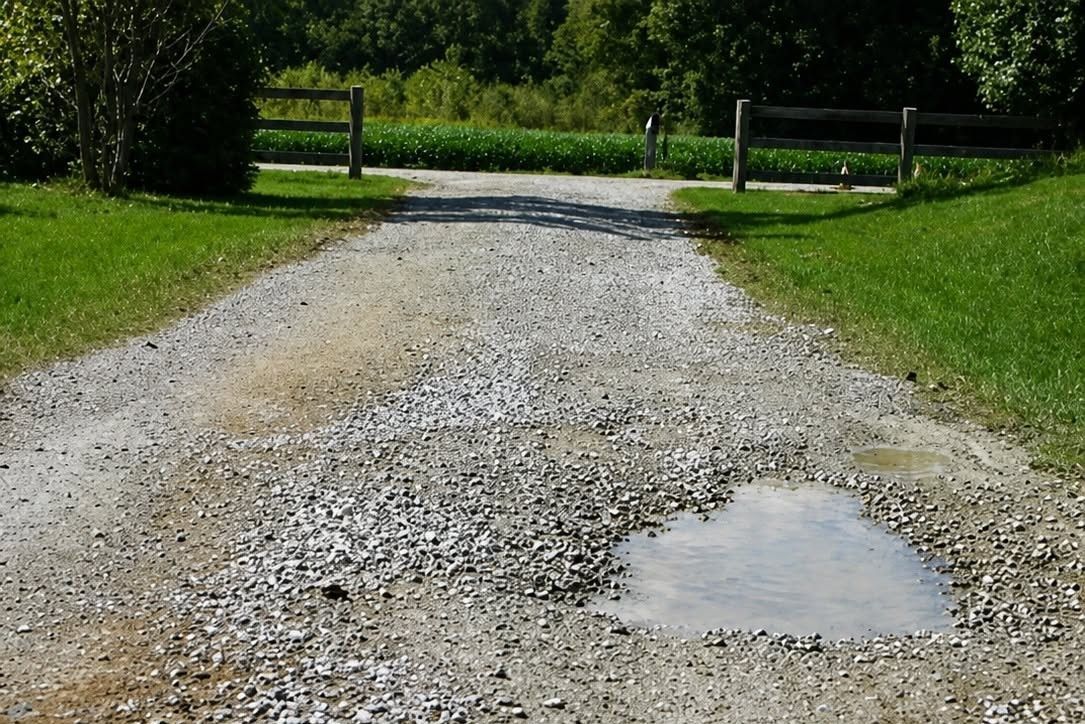
Potholes, washboard surfaces, and drainage failures develop when gravel driveways lose their crown or develop low spots where water collects. North Georgia Driveways & Forestry Mulching reworks driveway surfaces across the entire region—including Holly Springs, Calhoun, and Ball Ground—by regrading to restore proper slope, adding fresh aggregate, and correcting drainage issues that cause recurring damage. The finished surface sheds water predictably and resists rutting under regular vehicle traffic.
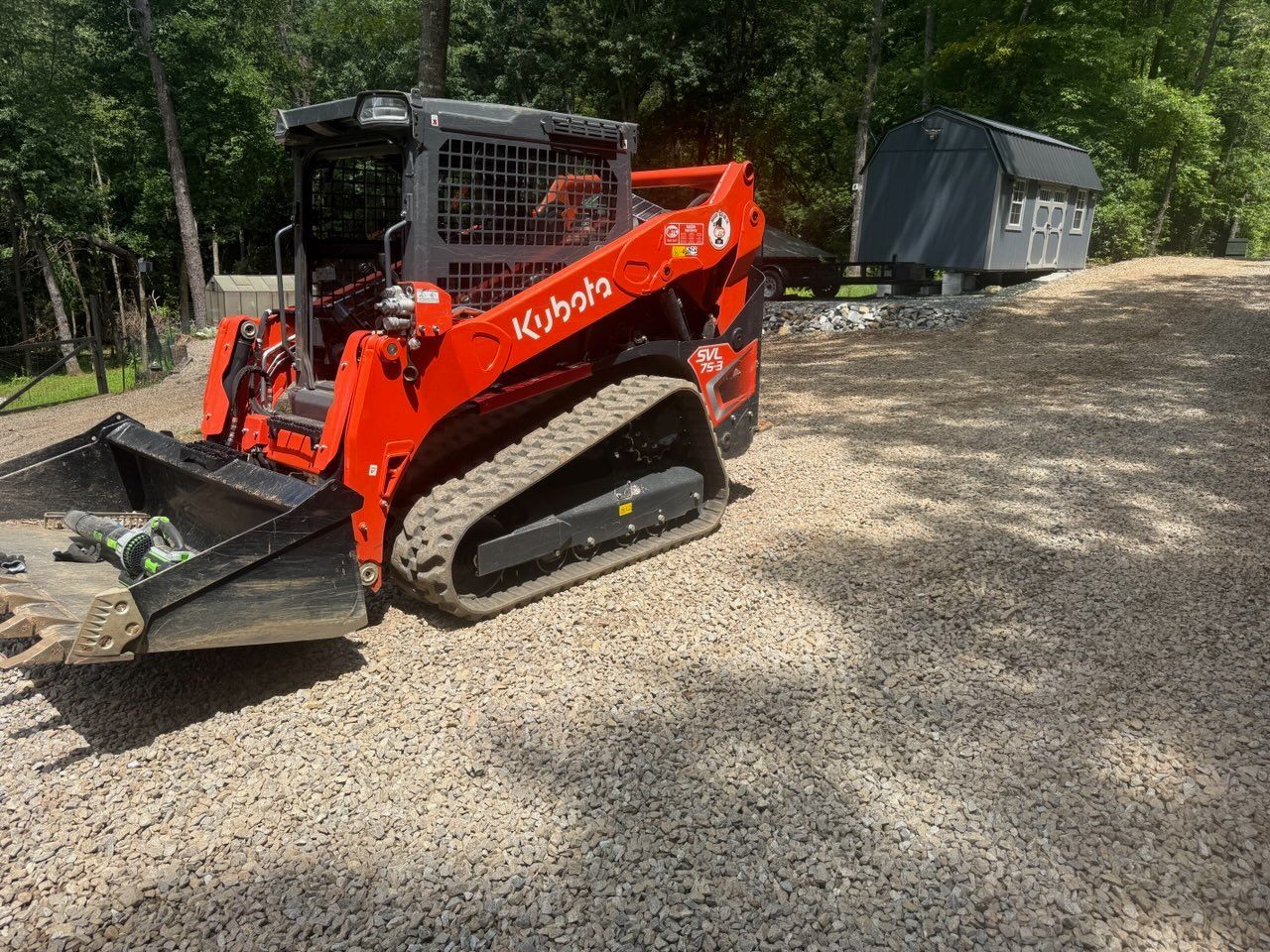
Regrading involves redistributing existing gravel, reshaping the crown so water runs to the edges, and filling low areas where erosion has removed material. Additional gravel is installed to restore surface thickness and provide smooth driving conditions. When drainage patterns have changed or culverts are undersized, those issues are addressed during the repair to prevent the same problems from recurring after the next heavy rain.
Schedule a driveway inspection to identify damage patterns and evaluate repair scope before conditions worsen.
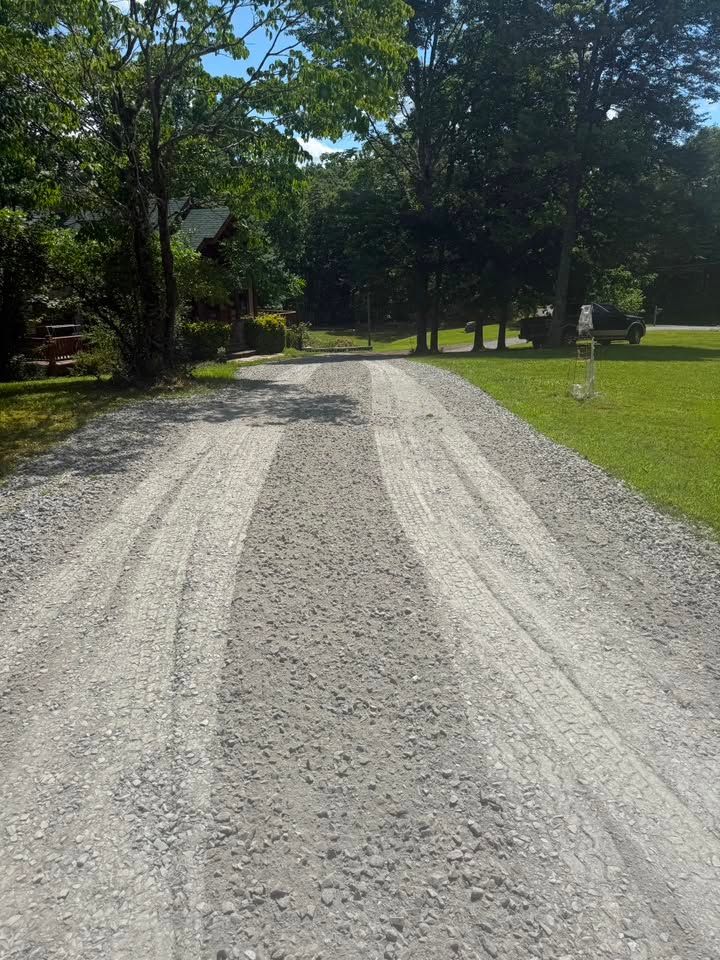
Why Regrading Extends Driveway Lifespan
Regrading reestablishes the cross-slope and longitudinal grade that direct water off the surface and into ditches or vegetated areas. Without proper slope, water sits on the driveway and infiltrates the base layer, softening the roadbed and allowing ruts to form under vehicle weight. Correcting grade before adding new gravel ensures that fresh material stays in place rather than washing away during the next storm.
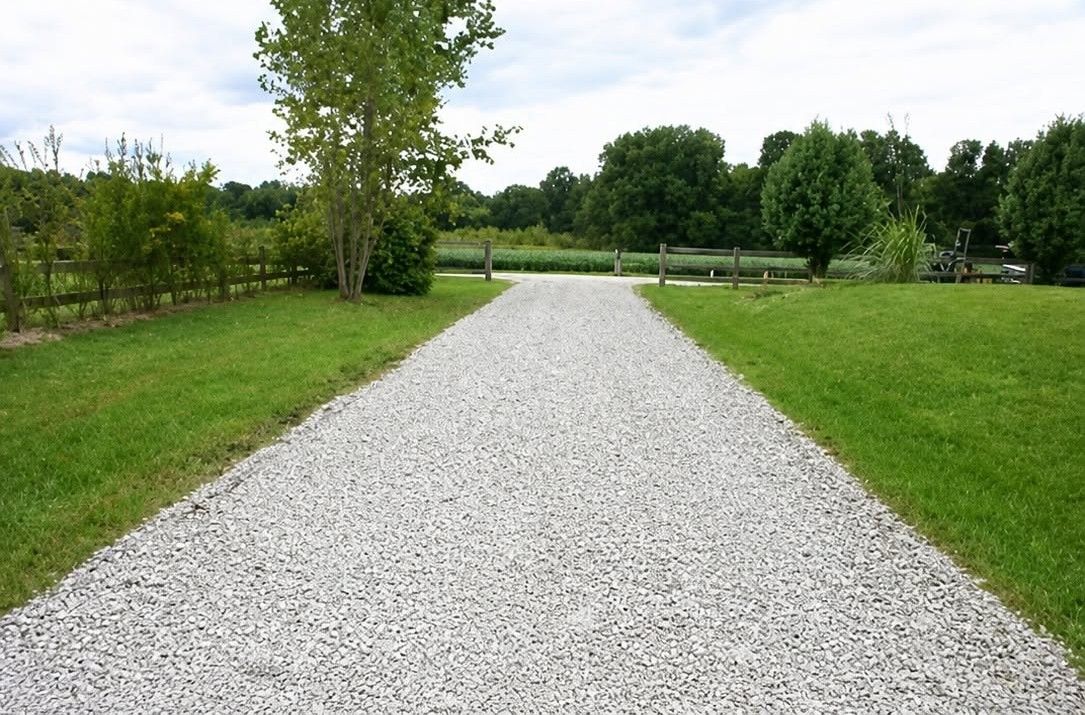
After regrading and resurfacing, you notice smoother driving with less jarring over bumps, improved traction in wet conditions, and faster water runoff that leaves the surface dry sooner after rainfall. Gravel remains distributed evenly rather than collecting in piles or exposing bare ground in high-traffic areas. The driveway handles steep sections without developing channels or gullies that funnel runoff and accelerate erosion.
Maintenance intervals depend on traffic volume, grade steepness, and rainfall intensity, but driveways with correct slope and adequate drainage require less frequent attention than those built or repaired without addressing underlying water management. Periodic gravel replenishment and light regrading keep the surface functional between larger refurbishing projects.
Common Questions About Driveway Maintenance
Property owners managing rural driveways and private roads often ask what repair methods address damage and how maintenance schedules affect long-term costs.
What causes washboard surfaces to develop on gravel driveways?
Repeated braking and acceleration at consistent speeds displaces gravel into ridges perpendicular to travel direction, worsened by loose surface material that lacks adequate compaction or binder content.
How does regrading differ from simply adding more gravel?
Regrading reshapes the entire surface to restore crown and slope, while adding gravel without correcting grade only provides temporary improvement before drainage issues return and new material washes away.
When should I schedule maintenance to avoid more expensive repairs?
Addressing minor rutting and thin spots before heavy rain seasons prevents small issues from becoming major failures that require base repair or reconstruction rather than simple resurfacing.
What drainage problems are common on North Georgia mountain driveways?
Undersized culverts, inadequate ditch depth, and insufficient cross-drains allow runoff to concentrate on the driveway surface, where velocity increases on steep grades and erodes material rapidly during storms.
How much gravel is typically needed for resurfacing a worn driveway?
Depth and square footage determine volume, but most residential driveways require several tons per hundred linear feet to restore a two-to-three-inch surface layer after regrading redistributes existing material.
North Georgia Driveways & Forestry Mulching provides repair and maintenance services for driveways and private access roads throughout Gilmer County. Contact us to schedule a property visit and discuss grading corrections for your specific site conditions.