Pipe & Culvert Installation Within a 45-Mile Radius
Driveway Drainage & Culvert Installation: Blue Ridge, Ellijay & Jasper
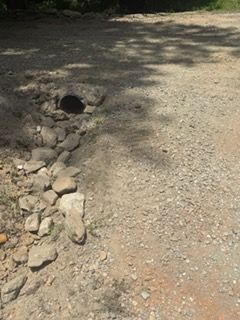
Water flowing across a gravel driveway erodes material and undermines the base, creating ruts and soft spots that worsen with each storm. Culverts and cross-drain pipes intercept runoff before it reaches the surface, directing flow underneath the roadbed and into natural drainage paths.
North Georgia Driveways & Forestry Mulching installs drainage pipes, replaces undersized or damaged culverts, and grades ditches across properties throughout North Georgia—including Young Harris, Dawsonville, and Hiawassee—where heavy rainfall and steep terrain generate concentrated runoff.
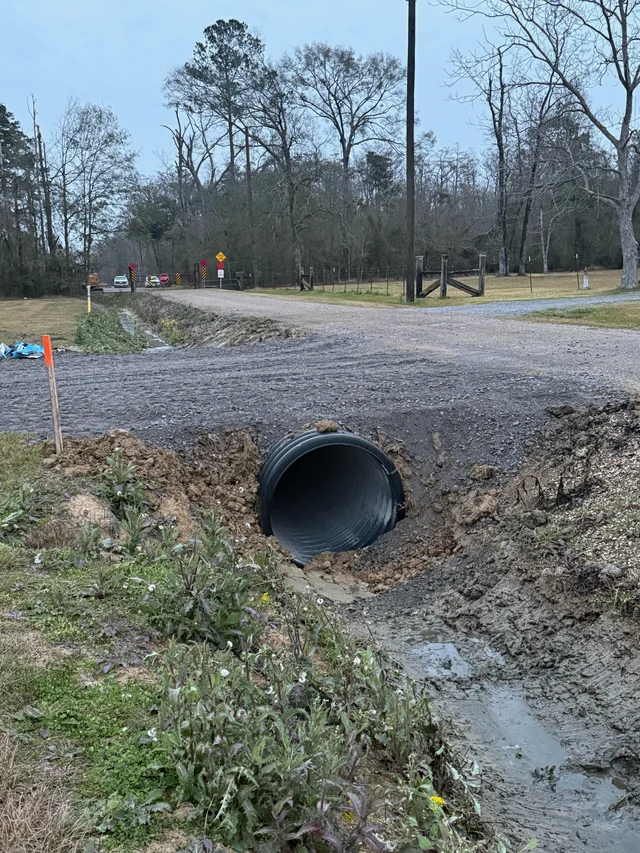
Culvert installation involves excavating beneath the driveway, setting pipe at the correct slope to maintain flow velocity, and surrounding the pipe with stone that prevents clogging and supports the driveway surface above. Pipe diameter is selected based on watershed size and peak flow expected during intense mountain rainstorms, with larger pipes installed where multiple drainage paths converge or steep slopes accelerate runoff.
Arrange a drainage inspection to identify where water crosses your driveway and evaluate pipe sizing requirements.
What Proper Drainage Prevents Long-Term
Ditch lines are graded to channel water toward culvert inlets without allowing sediment buildup that restricts flow. Cross-drains positioned at regular intervals on long driveways prevent runoff from gaining enough velocity to cut channels or wash gravel downhill. Outlet placement ensures water exits away from the driveway base and does not pond where it can infiltrate and soften supporting soil.
Once drainage systems are installed, you notice water crossing beneath the driveway during storms rather than flowing over the surface. Gravel stays in place, ruts stop forming in predictable locations, and the roadbed remains firm rather than developing soft spots where vehicles sink or lose traction. Maintenance shifts from repeated regrading to occasional pipe cleaning and ditch clearing.
Culvert replacement becomes necessary when existing pipes are crushed, clogged beyond clearing, or sized too small for actual runoff volumes during heavy rain events common to the North Georgia mountains. Repairing drainage infrastructure before driveway reconstruction prevents new surfaces from failing due to unresolved water management issues.
What Property Owners Usually Ask
Landowners dealing with driveway erosion and drainage failures often need clarity on how culverts function and what installation involves.
What size culvert pipe is required for a typical driveway crossing?
Pipe diameter depends on drainage area and flow volume, but residential driveway culverts typically range from twelve to eighteen inches, with larger sizes used where runoff from multiple acres converges at the crossing point.
How do you prevent culverts from clogging with leaves and debris?
Stone surrounding the inlet filters sediment while allowing water to enter, and periodic inspection clears accumulated material before blockages form and force water over the driveway surface instead of through the pipe.
When should cross-drain pipes be added to existing driveways?
Cross-drains are installed where water flows down the driveway surface for extended distances, gaining velocity and eroding material, typically on grades steeper than eight percent or where ditch lines cannot capture runoff effectively.
What happens if a culvert is installed at the wrong slope?
Insufficient slope allows sediment to settle and reduce flow capacity, while excessive slope increases velocity and causes erosion at the outlet, both conditions leading to drainage failure and driveway damage over time.
How does Blue Ridge terrain affect drainage planning?
Steep slopes, high rainfall totals, and rapid runoff concentration require more frequent cross-drains and larger pipe sizes compared to flatter regions where water moves slowly and infiltrates more readily into surrounding soil.
North Georgia Driveways & Forestry Mulching addresses runoff management and drainage infrastructure for properties throughout Gilmer County. Request an estimate to review culvert installation and water flow solutions for your driveway.