Serving a 45-Mile Radius Across North Georgia
Gravel Driveway Installation in Ellijay: Built to Last Year-Round
Specializing in driveways engineered for mountain terrain, North Georgia Driveways & Forestry Mulching proudly travels to Jasper, Blairsville, Canton, and surrounding communities.
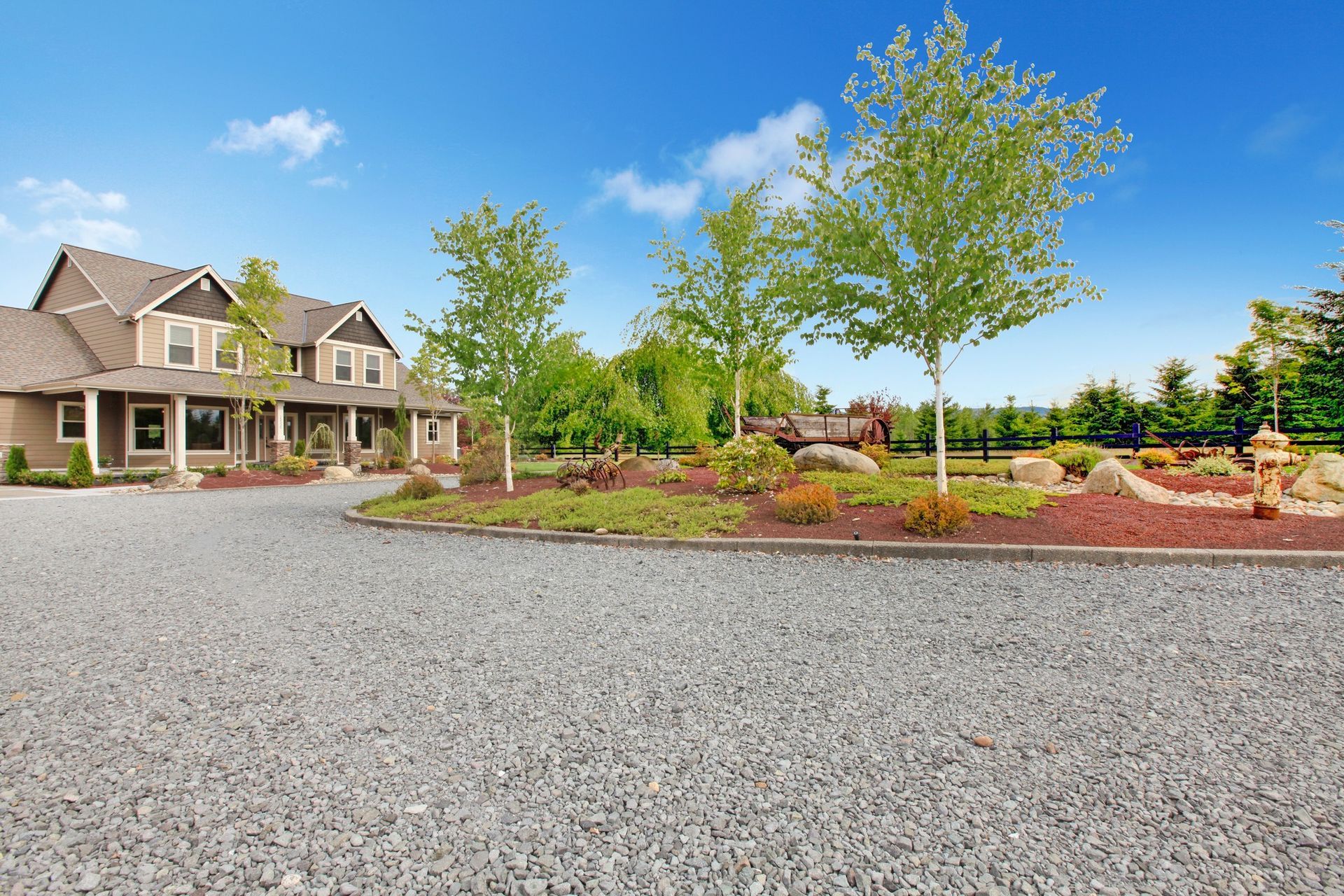
Proper slope and drainage determine whether a gravel driveway survives mountain weather or washes out within a season. We construct durable driveways across the region by clearing the path, excavating unstable soil, establishing grade, preparing a compacted base, and installing durable aggregate designed for steep approaches and regular vehicle traffic. The finished surface sheds water predictably and resists rutting under load.
Construction begins with clearing vegetation and removing organic material that would decompose and create settling. Excavation depth depends on soil type and anticipated traffic, with additional base material added in areas prone to mud or soft ground. Grading establishes crown and slope to direct water off the surface and into planned drainage paths, preventing pooling or channeling that erodes gravel over time.
Request a site evaluation to review access requirements and terrain factors affecting your driveway construction.
What Proper Base Preparation Accomplishes
Base layers are compacted in stages using equipment that densifies material and eliminates voids where water could infiltrate and weaken the roadbed. The compacted base distributes vehicle weight evenly and prevents the surface gravel from sinking into softer soil beneath. On steep sections, additional stabilization may include larger stone sizes or geotextile fabric to reduce shifting under braking or acceleration forces.
Once construction is complete, you notice a smooth driving surface with consistent firmness and predictable water runoff during storms. The driveway handles loaded trucks without creating deep ruts, and gravel remains in place rather than migrating downhill or washing into ditches. Seasonal maintenance becomes less frequent when the foundation is built correctly from the start.
Driveways serving cabins, homesites, and hunting land require different aggregate sizes and base depths depending on usage patterns and access frequency. Decisions about culvert placement, ditch lines, and cross-drain locations are made during initial layout to address runoff before the first gravel layer is installed.
Answers to Frequent Driveway Construction Questions
Homeowners and landowners planning new driveways in mountainous areas often ask about construction methods and what affects long-term performance.
What determines how much excavation is required?
Soil stability, organic content, and moisture levels affect excavation depth, with softer or wetter ground requiring deeper removal and thicker base layers to prevent settling and surface failure.
How is drainage planned to prevent washouts on steep driveways?
Cross-drains, culverts, and graded ditches are positioned to intercept runoff at regular intervals and divert water away from the driveway surface before velocity builds and erosion begins.
What type of gravel works best for Ellijay mountain driveways?
Angular crushed stone with varied sizes compacts tightly and resists displacement better than rounded river rock, providing a stable surface that withstands heavy rain and vehicle traffic common to the region.
How long does construction take for a typical residential driveway?
Clearing, grading, base installation, and final surfacing generally require several days to a week depending on length, terrain difficulty, and weather conditions affecting equipment operation.
What should I expect for maintenance after installation?
Periodic regrading and gravel replenishment maintain the surface as traffic and weather gradually displace material, with well-built driveways requiring less frequent intervention than those without proper base preparation.
North Georgia Driveways & Forestry Mulching builds gravel driveways for rural properties, cabin access, and private roads throughout Gilmer County. Arrange an on-site consultation to discuss grade challenges and drainage planning specific to your property.