Clearing Acreage & Lots Across a 45-Mile Radius
Brush & Underbrush Cleanup: Blue Ridge, Ellijay & North Georgia
Dense underbrush, briars, vines, and sapling thickets limit how you use wooded property and increase wildfire risk during dry conditions. Selective clearing removes vegetation that restricts movement and visibility while preserving mature trees and natural landscape character.
North Georgia Driveways & Forestry Mulching clears overgrown brush from residential lots, mountain acreage, and recreational land across the region—frequently serving Woodstock, Canton, and Ball Ground—creating usable space for trails, fencing, future construction, or improved property appearance.
Cleanup targets specific vegetation types based on your objectives, removing invasive species, clearing sightlines, or opening understory for easier foot traffic without stripping the land bare. Equipment reaches difficult terrain and works efficiently around established trees, processing brush into mulch that stays onsite or clearing material to burn piles depending on volume and site conditions.
Schedule a property walkthrough to identify clearing priorities and discuss selective removal options for your land.
What Selective Clearing Involves
Selective clearing distinguishes between vegetation to remove and features to protect, preserving hardwoods, desirable understory plants, and natural edges while eliminating dense growth that serves no functional or aesthetic purpose. The approach maintains soil stability by leaving root systems intact and avoids creating large disturbed areas where erosion can begin on slopes common throughout North Georgia mountain properties.
After cleanup is finished, you notice open sightlines, easier walking routes, and reduced tick and snake habitat where thick cover previously made the property difficult to enjoy or maintain. Cleared areas support new uses such as equipment access for future projects, defined boundaries for fencing or planting, or improved visibility along driveways and trails. Fire risk decreases where ladder fuels are removed and spacing between ground cover and tree canopies increases.
Cleanup projects prepare land for additional work such as driveway construction, building sites, or recreational improvements, with vegetation removal timed to avoid nesting seasons and scheduled when ground conditions allow equipment operation without excessive soil disturbance. Large acreage or heavily overgrown lots may require staged clearing to manage material volume and maintain budget control.
Answers to Frequent Vegetation Management Questions
Property owners reclaiming wooded land or preparing sites for development often ask about clearing methods and what results to expect.
What types of vegetation are typically removed during brush cleanup?
Briars, honeysuckle, saplings under three inches, grapevines, multiflora rose, privet, and similar invasive or overgrown species are cleared, while mature trees and desirable native plants are left standing based on your preferences.
How does selective clearing differ from full land clearing?
Selective work removes specific vegetation while preserving trees and landscape features, maintaining natural appearance and soil stability, whereas full clearing removes all vegetation and prepares bare ground for construction or agricultural use.
When is the best time to clear brush on Blue Ridge mountain property?
Late winter and early spring allow clearing before nesting season begins and provide dry ground conditions for equipment access, though projects can proceed year-round depending on site conditions and urgency.
What equipment is used to clear dense underbrush on steep terrain?
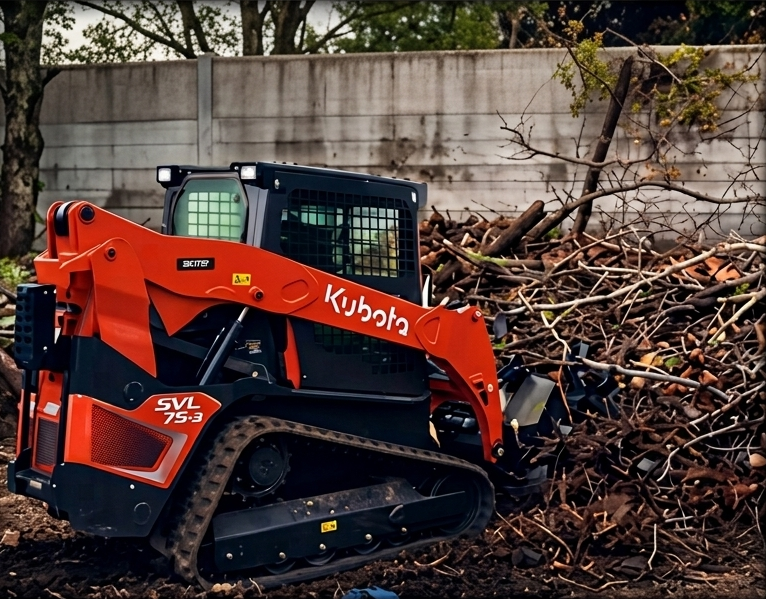
Tracked machines with forestry attachments access slopes and tight spaces without creating deep ruts, grinding vegetation in place or accumulating material into manageable piles depending on project scope and disposal preferences.
How quickly does vegetation regrow after brush removal?
Regrowth depends on species cleared and whether root systems were removed, but most brush returns within one to three growing seasons unless follow-up mowing, herbicide application, or mulch layer maintenance suppresses new shoots.
North Georgia Driveways & Forestry Mulching clears overgrown vegetation from residential and rural properties across Gilmer County. Contact us to discuss brush removal and land reclamation services tailored to your property conditions and future plans.